



Taking Care of an Elderly Parent and Managing Money Between Siblings
It’s not often just one person has to take care of a parent who needs extra help. Most families are in the same boat: siblings are trying to figure out how to help each other out emotionally and financially. And even though there is love, what about the money talks? Things can get complicated quickly.
If you’re dealing with this right now—whether you’re a son helping to plan your parents’ care, a daughter keeping track of the family’s daily expenses, or siblings trying to split costs fairly between different households—you’re not alone. This guide will help you deal with the money issues that come with being a caregiver without causing problems in your family.
Why Siblings Have Trouble With Financial Caregiving
Every family is different, but problems that come up over money for elder care are surprisingly common. One sibling might live closer and have to pay more out of their own pocket. Another person might be giving time instead of money. Someone may be having a hard time with money right now. And if there isn’t a clear system in place, resentment builds up until it explodes.
The truth is that money isn’t usually the problem. It’s because things aren’t clear. People start to make assumptions when they can’t see how much is being spent, who is paying, and what else is needed. And when you make assumptions, they can turn into fights.
Step 1: Talk About Money Early On
It’s best for siblings to sit down and talk about money as soon as possible. You don’t have to have a formal meeting; you can just call or video chat. The goal is to make sure that everyone knows what your parent needs and how much it will cost.
Make a list of the main types of care costs to get started:
• Gaps in health insurance, medical appointments, and prescriptions
• Costs of in-home care or living expenses
• Changes to the home, such as grab bars, ramps, or stair lifts
• Food, cleaning supplies, and utilities
• Transportation to appointments
• Savings set aside for medical emergencies
When you know how much things really cost, it’s much easier to talk about who should pay what.
Step 2: Choose a Fair Split—Not Always 50/50
Not everything that’s fair is equal. A son who lives five minutes away from his parents’ house can help out in ways that a daughter who lives two hours away and works full-time can’t. That’s fine, as long as everyone agrees on what’s fair.
Families Often Use the Following Methods:
Even Split
Each sibling sends the same amount of money each month. Easy to follow, clean, and simple. This works well when siblings are in similar financial situations.
Split Based on Income
Each sibling gives a certain amount based on how much money they make. If one brother makes a lot more money than his sister, he pays a bigger share. A lot of families think this is fair because it takes ability into account, not just fairness.
Split Based on Contributions
One sibling gives more money, while the other gives more time by driving to appointments, managing medications, and coordinating care. The money given is changed to consider the time that the hands-on caregiver puts in.
No matter what you decide to do, write it down. A simple document that everyone agrees to can save a lot of trouble later on.
Step 3: Create a System That Everyone in the House Can Use
One of the hardest things about caring for a sibling is that everyone is in charge of their own money, bank account, and finances. It’s a real pain to keep track of who has paid what when a daughter in one city is paying for her mother’s groceries and a son in another state is paying for her medical bills.
Setting up a shared money system is a huge help. This could mean:
• A shared bank account that all the siblings put money into and use to pay for care costs
• A spreadsheet that everyone can see and use to keep track of all expenses in real time
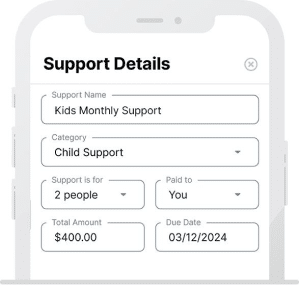
• A digital tool that keeps track of contributions and expenses for all households automatically
The most important thing is being able to see everything in one place. There can’t be any confusion when all the siblings can see exactly what’s coming in and going out of all the houses and bank accounts involved.
Step 4: Write Down Every Expense Clearly.
This is one of the most important habits to start early. Keep all of your receipts, write down every payment, and write down who paid for what. This is important for tax reasons as well as for fairness between siblings. Some caregiving costs may be tax-deductible, and having clear records makes that process much easier.
Choose one person, preferably the sibling who is most involved, to be the main record keeper. Their job is to keep track of expenses as they happen and send the family a summary of them on a regular basis, like once a week or once a month.
Step 5: Look at the Plan Again And Again
The needs of caregivers change over time. A parent who only needed a little help two years ago may now need help all the time. As costs go up or siblings’ own financial situations change, the financial arrangement that worked at first may need to be changed.
Set up a regular family meeting every three to six months to talk about money and make changes as needed. This keeps everyone in the loop and stops small problems from becoming big ones.
When Things Get Hard
Even with the best systems in place, money issues can make caring for someone very emotional. Old sibling relationships come back. Old problems come up. Someone thinks they are doing more than their fair share.
If talking to each other gets too hard, it might be a good idea to get a neutral third party involved, like a family mediator or even a financial planner who works with seniors. It’s okay to ask for help when something is this hard to figure out.
Last Thoughts
It’s never easy for siblings to handle their parent’s money, but it doesn’t have to cause problems. Families can work together in a way that respects both their parent and their relationships with each other if they talk to each other openly, have a fair and agreed-upon plan, and a clear way to keep track of shared costs across households and bank accounts.
The goal isn’t to be perfect. It’s being honest, fair, and keeping your mind on what’s most important: making sure your parent is well taken care of.