


How to Divide the Costs of Caring for an Elderly Parent Between Brothers and Sisters
It’s not easy to talk about money when your parents are getting older and need more help than they used to. It’s often the hardest to talk about money when a son has to pay for medical bills, a daughter has to take care of the house every day, or siblings have to figure out how to care for someone from different cities.
But those talks are also the most important. When siblings don’t have a clear plan for how to split the costs of caring for someone, things can get out of hand very quickly. This guide shows you a fair and honest way to split the costs of caring for an elderly parent that everyone can agree on.
Get a Full Picture of the Costs First
You need to know what you’re working with before you can split anything. Depending on your parent’s needs, where they live, and how much care they need, the costs of caregiving can be very different. When you start writing down all the costs, some families are shocked at how quickly they add up.
Some common costs of taking care of an elderly person are:
• Visits to the doctor, appointments with specialists, and ongoing medical care
• Medical equipment and prescription drugs
• Caregivers or nursing aides who come to your home
• Costs of assisted living or memory care facilities
• Changes to make the home safer and equipment to make it easier to get around
• Help with getting around and transportation
• Costs of daily life: food, utilities, and clothes
• Planning for the future: power of attorney and estate planning
Put everything down on paper. When the family has a specific number in front of them, the conversation is much less vague and much more useful.
Know What Each Sibling Can Really Bring to the Table
A lot of families get stuck here because they think that fair means equal. But a brother who is a single parent and works two jobs can’t give as much as a sister who has a partner and double income. And making an equal split in this case can usually make both sides angry.
Before choosing a formula, have each sibling tell you what they can realistically give, whether it’s money, time, or both.
Some questions that would be good to ask together:
• Who can give money each month, and how much?
• Are there siblings who are having money problems right now?
• Who is closest in terms of distance and can give hands-on care?
• Who has the time and ability to handle appointments, medicines, or paperwork?
Pick a Way to Split That Works For Your Family.
There’s no one right answer here. Different systems work well for different families. Here are the most common ways to do it:
The Fair Split
Every month, each sibling gives the same amount of money. This is the easiest way to do it, and it works well when siblings are in about the same financial situation. The benefit is that it’s clear: no math, no arguments, just equal contributions.
The Split That Is Proportional
Each sibling’s income determines how much they give. For instance, if one sister makes twice as much money as her brother, she puts twice as much money into the shared caregiving fund. Many families think this way is fair because it considers how much money each person really has.
The Hybrid Split
One or more siblings help out mostly by spending time with the elderly parent, such as by making appointments, driving, and doing paperwork. Others help out more with money. The financial contributions are changed to consider the work that hands-on caregivers do for free.
No matter what you choose, write it down. A simple shared document that all siblings agree to, even if it’s not official, makes them responsible and lowers the chance of future arguments.
Make a System That Everyone Can Use to Keep Track of Expenses
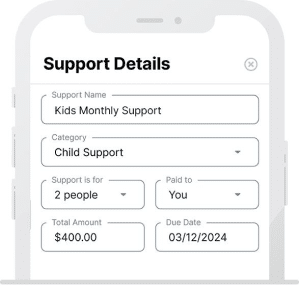
It’s hard to keep track of who has paid what when a son in one state is paying for medicine and a daughter in another city is in charge of grocery deliveries. Without a shared system, it’s easy for costs to go unnoticed, for contributions to feel unfair, or for one sibling to feel like they’re always doing more than their fair share.
It doesn’t have to be hard to use a shared tracking system. It only needs to be:
• All siblings have access to it regardless of location
• Updated often so that everyone can see the most recent costs
• Clear about who paid what and what is still owed
• Open and honest about all of the households and bank accounts that are involved in caregiving
When everyone can see the whole financial picture, including different households and bank accounts, it’s easy to tell who is contributing and who isn’t.
Choose a Financial Point Person
Most of the time, one person in a group of siblings ends up taking care of the money. It’s not always the sibling who does the most physical care; it could also be the one who is best with numbers or the one who is most organized.
Designating a financial point person—someone who keeps track of expenses, manages the shared fund, and sends regular updates to all siblings—can help a lot. This person doesn’t make decisions on their own; instead, they keep everyone up to date so that decisions can be made as a group.
Prepare for the Unforeseen
Eldercare can be full of surprises. Last year, a parent who was mostly independent may need full-time care this year. Costs that no one planned for can come up in a medical emergency. It’s better to plan ahead for these times, rather than to panic when a crisis hits.
Think about putting a little bit of money aside for emergencies in the shared caregiving budget. When unexpected costs come up, even a small buffer can make a big difference.
Keep Talking
The first agreement is only the beginning. The needs of the person being cared for change, and so do their finances. The plan that worked at first may need to be changed as time goes on. Regular family check-ins, like once a month or once a quarter, help make sure that the deal stays fair and that no sibling feels like they’re being left to carry an unfair burden.
It doesn’t have to be formal or awkward to talk about these things. A quick monthly message or call to go over expenses and see how things are going can help keep the family on the same page.
A Last Word
It’s not always easy to split the costs of caring for an elderly parent between brothers and sisters. But if siblings talk honestly, make a plan that works for everyone, and agree on a way to keep track of what each household and bank account is spending, they can get through this time of life without letting money cause lasting problems.
What matters most is that your parents get the help they need and that your family stays together while they do it.