


Traditional financial wellness benefits often stop at education. SupportPay helps employers offer a practical recovery benefit by helping employees document eligible payments they already make — including wage garnishments and family support obligations — and explore positive credit reporting without taking on new debt.
Financial wellness needs to move beyond education
Most financial wellness programs are built around education. They teach employees how to budget, save, understand debt, prepare for retirement, or manage day-to-day money decisions. Those tools can be useful, but education alone does not always solve the problem employees are facing right now.
For employees with wage garnishments, the issue is not simply that they need another budgeting worksheet. The issue is that money is already being withheld from every paycheck. Their take-home pay is smaller. Their financial flexibility is lower. Their credit may already be damaged. And the payments they are making through payroll may not automatically help them rebuild.
That is a major gap in traditional financial wellness.
Employees with wage garnishments are often doing something financially responsible under difficult circumstances: they are making required payments consistently. But those payments may remain trapped in payroll records, court files, child support systems, agency portals, or pay stubs. They may not become positive credit history. They may not reduce financial stress in the way employees hoped. They may not help employees qualify for better transportation, housing, utilities, insurance, or emergency financial options.
A better financial wellness benefit starts with the payments employees are already making. SupportPay helps employees organize obligations, upload proof, document payment history, and explore whether eligible verified payments can support positive credit reporting through Credit Boost. It is not a loan, not a credit card, and not a debt product. It is a practical recovery layer for real financial responsibilities.
Why traditional financial wellness often falls short
Traditional financial wellness programs can provide helpful information, but they often stop before employees experience measurable recovery. A program may explain how credit works without helping an employee create new positive credit data. It may teach budgeting without addressing the reduced take-home pay caused by garnishment. It may recommend savings while the employee is struggling to cover rent, groceries, transportation, childcare, and utilities.
Common gaps include:
- Budgeting education does not replace missing income. A budget can help employees plan, but it does not change the fact that wage garnishment reduces take-home pay before the employee receives it.
- Debt education may not lower borrowing costs. Employees may understand interest rates but still be stuck with limited credit options.
- Generic credit education may not create positive credit history. Knowing that payment history matters is different from having eligible payments reported.
- Many programs ignore family financial obligations. Child support, shared expenses, caregiving costs, family reimbursements, and wage garnishments often fall outside traditional benefit design.
- Employees under garnishment need recovery tools, not just advice. They need a way to document what they are already paying and make eligible payments easier to recognize.
This does not mean traditional financial wellness is bad. It means it is incomplete. Education is helpful, but employees also need tools that turn responsible behavior into visible financial progress.
The opportunity inside wage garnishments
For employers, wage garnishment usually arrives as a payroll compliance task. Payroll receives the order, calculates withholding, processes deductions, remits payments, and maintains records. The process is necessary, but it is usually treated as administrative work rather than a financial wellness opportunity.
But wage garnishments reveal something important: the employee is already making a recurring, documented payment. That payment may happen every pay period. It may be tied to child support, family support, a court order, taxes, student loans, or another obligation. It may continue for months or years. It may represent a meaningful amount of income.
That recurring payment activity can be valuable if it is organized and eligible for positive reporting. Instead of treating garnishment only as a payroll burden, employers can help employees explore whether those payments can become part of a financial recovery record.
The opportunity is simple: turn payments already happening into a potential credit-building signal.
Why SupportPay is different
SupportPay is different from many financial wellness tools because it focuses on real-life payments employees already make. It is not asking employees to borrow more money. It is not offering a new credit card. It is not an earned wage access product. It is not a payday loan or debt relief service.
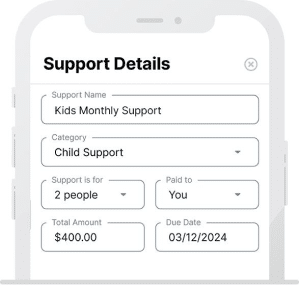
SupportPay helps employees manage and document family-related financial responsibilities, support payments, shared expenses, and eligible wage garnishment-related records. Employees can upload proof such as pay stubs, orders, notices, and payment histories. They can document obligation start dates and keep a clearer record of what has been paid.
For eligible users who opt in, SupportPay Credit Boost can help report qualifying positive payment activity. The goal is to help responsible payments become easier to prove and harder to overlook.
SupportPay does not help employees take on more debt. It helps employees get recognition for responsible payments they are already making.
Employer value proposition
For employers, SupportPay can fill a gap between payroll compliance and traditional financial wellness. It gives HR, payroll, and benefits teams a way to support employees who may be under serious financial pressure without creating a new lending product or requiring a complicated payroll integration.
Employer benefits may include:
- Support employees experiencing financial stress. Wage garnishment can affect focus, attendance, engagement, and retention.
- Turn a payroll burden into a recovery benefit. Garnishments are already being processed; SupportPay helps employees make the payment history more useful.
- Offer credit-building support without new debt. Employees can explore eligible positive reporting based on payments they already make.
- Differentiate the benefits package. SupportPay addresses a financial need that many wellness programs overlook.
- Help reduce confusion around family financial responsibilities. Organized records may reduce disputes, questions, and stress.
- Position the employer as supportive and practical. Employees see that the company understands financial recovery, not just financial education.
Employee value proposition
For employees, the value is personal and practical. Wage garnishment can feel discouraging because the money leaves before the paycheck arrives. Employees may feel like they are paying but not progressing. SupportPay helps change that experience by giving employees a clearer way to document and organize the payment record.
Employees may benefit by being able to:
- Get organized around support, garnishment, and family-related payment records
- Upload proof such as pay stubs, orders, and payment histories
- Document the original obligation start date
- Track recurring payments and shared expenses
- Maintain a clearer financial record over time
- Explore whether eligible verified payments can support positive credit reporting
- Build credit recognition without opening a new credit card or loan
The message to employees is straightforward: if you are already making the payment, do not let the record disappear.
How this differs from earned wage access
Earned wage access can help employees access wages before payday. That may support short-term cash flow, especially when employees face timing issues between bills and paychecks. But earned wage access does not solve the credit recognition gap for employees already making recurring support or garnishment payments.
SupportPay solves a different problem. It helps employees document existing obligations and explore positive reporting for eligible verified payments. It is not about receiving wages early. It is about making responsible payment behavior visible.
| Benefit type | Primary purpose | Best fit |
|---|---|---|
| Earned wage access | Access earned pay before payday | Short-term cash-flow timing issues |
| Financial education | Teach budgeting, saving, and credit basics | Broad employee education |
| Emergency savings | Encourage short-term savings | Employees building a cash cushion |
| SupportPay | Document existing payments and explore eligible positive reporting | Employees with support, garnishment, shared expense, or family-related payment obligations |
How this differs from financial education
Financial education explains concepts. SupportPay helps employees take action on records and payments that already exist.
An education module might tell employees that payment history is important. SupportPay helps eligible users organize verified payment history so it may be reported as positive activity. An education session might explain why credit affects auto loans or housing. SupportPay helps employees preserve payment records that may support credit recovery over time.
Education is still useful. But employees under garnishment often need more than information. They need a practical way to turn existing responsible payments into a clearer financial record.
Why this matters for credit access
Credit access affects more than borrowing. A stronger credit profile may help employees qualify for better auto loan terms, lower deposits, better rental options, lower credit card interest, and more affordable financial products. Results vary, and no credit score increase or savings amount is guaranteed, but credit can influence real costs.
This matters for employers because financial pressure can affect work. Employees with limited credit access may struggle with transportation repairs, housing moves, utility deposits, childcare emergencies, or unexpected expenses. Those issues can become absenteeism, distraction, turnover risk, or HR escalations.
When eligible positive payment reporting helps employees build a stronger financial record, it may support broader workforce stability. The benefit is not just about credit scores. It is about giving employees more options when life gets expensive.
Implementation message for HR and benefits teams
SupportPay can be positioned as an easy-to-launch, confidential financial wellness benefit for employees managing family-related obligations, support payments, shared expenses, and eligible wage garnishment records. SupportPay materials position deployment as low-lift and not requiring payroll or HRIS integration for launch.
Employers do not need to become involved in employees’ private family financial details. SupportPay messaging states that employers do not access personal family financial records, obligation details, or payment amounts. The benefit is designed to be confidential for employees.
That matters because wage garnishment and family financial obligations can be sensitive. Employees need support, but they also need privacy.
Messaging HR teams can use
SupportPay helps employees receive recognition for responsible payments they are already making. It is not a loan, not a credit card, and not a payday product. It helps employees organize records, document payment history, and explore whether eligible verified payments can support positive credit reporting.
If wage garnishment is already happening, the payment history should not disappear. SupportPay helps turn existing payment activity into a practical financial recovery opportunity.
What SupportPay does not do
Clear expectations are important. SupportPay is not a legal service and does not control courts, agencies, creditors, employers, or payroll departments. It does not stop wage garnishments, change court orders, guarantee score increases, guarantee loan approvals, or promise savings.
SupportPay helps with documentation, organization, payment tracking, and eligible positive reporting. That role is valuable, but it should be explained accurately.
- SupportPay does not provide legal advice.
- SupportPay does not remove wage garnishments.
- SupportPay does not guarantee credit score changes.
- SupportPay does not require employees to borrow money.
- SupportPay does not require a hard inquiry for Credit Boost.
- SupportPay does not replace official court, agency, payroll, or creditor records.
Why employers should act now
Wage garnishment is already present in many workforces. Employees affected by garnishment may not raise their hands. They may feel embarrassed, stressed, or unsure where to turn. Payroll may see the orders, but leadership may not see the broader financial wellness impact.
Employers that offer SupportPay can address a real need that often goes unnoticed. Instead of only processing garnishments, they can provide a tool that helps employees document payments and explore recovery.
This is a practical evolution in financial wellness. It moves from “learn about money” to “make the responsible payments you are already making count.”
Start Now
If your organization wants a financial wellness benefit that creates practical value, start with the payments employees are already making. SupportPay helps employees organize support, garnishment, and family-related payment records; upload proof; document obligation start dates; and explore whether eligible verified payments can support positive credit reporting. Turn payroll compliance into a pathway for financial recovery.
FAQ: Financial Wellness Benefits and Wage Garnishment
What is a financial wellness benefit for wage garnishment?
It is a benefit that helps employees manage the financial impact of wage garnishment. SupportPay focuses on documentation, payment tracking, and eligible positive credit reporting for payments employees may already be making.
How is SupportPay different from financial education?
Financial education explains money concepts. SupportPay helps employees organize real payment records, upload proof, track obligations, and explore whether eligible verified payments can support positive credit reporting.
How is SupportPay different from earned wage access?
Earned wage access provides early access to earned wages. SupportPay focuses on documenting existing obligations and helping eligible verified payments become more visible as positive payment activity.
Does SupportPay require employees to take on debt?
No. SupportPay is not a loan, credit card, payday product, or debt product. It helps employees get recognition for payments they are already making.
Does Credit Boost require a hard inquiry?
No. SupportPay Credit Boost does not require a hard inquiry because it is not an application for a new loan or credit card.
Can SupportPay stop wage garnishment?
No. SupportPay does not stop garnishments, change court orders, or provide legal advice. It helps users organize records, track payment history, and explore eligible positive credit reporting.
Can employers see employee financial details in SupportPay?
SupportPay messaging states that employers do not access personal family financial records, obligation details, or payment amounts. The benefit is designed to be confidential for employees.
Why does this matter for employers?
Financial stress can affect productivity, absenteeism, retention, engagement, and payroll burden. Helping employees document payments and explore credit-building opportunities can support a more stable workforce.