

For decades, employer wellness programs focused on the physical: biometric screenings, step challenges, smoking cessation, gym membership subsidies, nutrition campaigns, and preventive health reminders. Those programs still have a place, but they address only part of the employee wellbeing equation. Today, one of the most urgent and measurable sources of employee stress is financial instability, and employers are beginning to recognize that financial stress is not a side issue. It is a workforce health issue.
Financial stress follows employees into the workplace every day. It affects attention, attendance, decision-making, health, family life, and long-term retention. It can shape whether an employee schedules preventive care, fills a prescription, gets enough sleep, responds calmly to conflict, or stays focused during a critical meeting. That is why financial wellbeing is becoming a stronger fit for insurance carrier wellness funds that employers are reimbursed for. Carriers are increasingly recognizing that money-related stress is not separate from health. It is one of the forces that can drive anxiety, depression, sleep problems, delayed care, medication nonadherence, and avoidable healthcare utilization.
The shift matters for employers because it changes the funding conversation. Financial wellbeing programs do not always need to be positioned as a new voluntary benefit that requires a new budget request. In many cases, they can be positioned as wellness interventions that address stress, resilience, and whole-person health. That makes them more relevant to carrier reimbursement conversations and more defensible to finance leaders who want to understand the business case.
The data behind financial stress at work
Employees who are worried about bills, debt, divorce, caregiving costs, child-related expenses, medical bills, housing changes, or emergency savings do not simply leave those concerns at home. They bring them into meetings, customer calls, shift work, and management decisions. Financial stress often appears as distraction, absenteeism, presenteeism, conflict, lower engagement, and increased use of healthcare services.
For employers, this creates a clear business issue. A financially stressed employee may miss work to handle legal or family finance issues, take calls from creditors during the workday, delay preventive care because of cost, or look for another job for a relatively small pay increase. These are not isolated personal problems. They are workforce risks that affect productivity, claims, culture, and retention.
Financial stress also has a compounding effect. An employee with no emergency savings may use high-interest debt to cover a car repair. That debt can then create monthly pressure, which contributes to sleep problems and stress. If the employee delays medical care because of cost, a manageable issue can become more serious. If the employee is also navigating divorce, caregiving, or shared household obligations, the pressure grows. A practical financial wellbeing program can interrupt that cycle before it becomes more expensive for both the employee and the employer.
Why carriers are expanding the definition of wellness
Insurance carriers have a financial incentive to support programs that reduce claim pressure and improve health outcomes. Historically, that meant funding programs tied to physical health. But the broader market has shifted toward whole-person health, which includes physical, mental, emotional, social, and financial wellbeing.
That shift matters because many employers already have benefits contracts that include wellness reimbursement structures. The funds may be described as wellness dollars, health improvement funds, incentive credits, innovation funds, value-added services, or value-based program dollars. Regardless of the label, they may create an opportunity to reimburse employers for approved programs that address employee stress and wellbeing.
Financial wellbeing programs can fit this strategy when they are positioned correctly. The key is to connect the program to measurable wellbeing outcomes: reduced stress, stronger stability, improved access to care, better engagement, fewer avoidable disruptions, and a stronger sense of control over daily life. The more specific the employer can be about the employee problem and the health connection, the stronger the reimbursement case becomes.
What financial wellbeing programs can include
- Financial coaching and counseling for employees facing budgeting, debt, savings, or planning challenges
- Emergency savings programs that help employees prepare for unexpected expenses before those expenses become crises
- Debt management and credit-building resources that reduce chronic financial anxiety and help employees understand realistic next steps
- Family financial transition support for employees navigating divorce, separation, caregiving, loss of a spouse, or shared household obligations
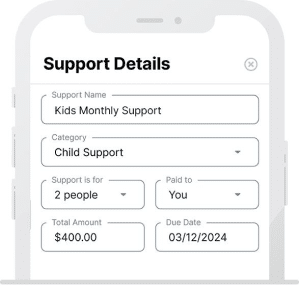
- Tools for managing shared expenses between households, especially for separated or divorced parents who need structure, documentation, and reduced conflict
- Education on benefits optimization, insurance choices, tax planning, long-term financial stability, and how to use existing employer benefits more effectively
- Resources that help employees understand medical bills, plan for care costs, and avoid delaying care because they are confused or overwhelmed by expenses
The strongest programs are practical, not generic. Employees need tools that help them solve the real financial problems creating stress in their lives. A webinar alone may be useful, but a program that helps employees organize obligations, reduce conflict, manage payments, understand options, or build stability is often more compelling for carrier reimbursement.
How employers should choose the right program
Employers should begin by identifying the financial stressors most common in their workforce. For one employer, the most urgent need may be debt and emergency savings. For another, it may be caregiving, divorce, separated households, or employees struggling to understand healthcare costs. The right program should match the real-life pressure employees are experiencing, not simply offer generic content that sounds good on a benefits slide.
The program should also be easy to explain to a carrier. If HR cannot clearly describe what problem the program solves, who it helps, how it reduces stress, and what data will be tracked, the reimbursement request will be weaker. A strong program has a clear use case, a clear employee population, and a clear connection to whole-person health.
How to make the case for reimbursement
When an employer wants to use insurance carrier wellness funds that employers are reimbursed for, the carrier conversation should be framed around health impact and risk reduction. The employer should explain the employee problem, the stress-related health connection, the proposed program, and the measurement plan.
A strong reimbursement request should include the following elements: the number of employees who may be affected, the type of financial stress the program addresses, the reason that stress is relevant to healthcare utilization or wellbeing, the expected participation model, the communication plan, and the documentation the employer will provide after launch.
Employers should also ask the broker or carrier for written confirmation of eligibility before launch. This avoids confusion later and helps finance teams understand when and how reimbursement will occur. Written confirmation should include the approved program category, maximum reimbursable amount, invoice requirements, timing, and any reporting expectations.
The takeaway
Financial wellbeing is no longer a fringe benefit. It is becoming a core part of whole-person health strategy. Employers that use insurance carrier wellness funds that employers are reimbursed for to support financial wellbeing may be able to offer meaningful employee support without adding a new budget burden. The funds may already exist. The opportunity is to ask the right questions, position the program correctly, choose practical support that meets real employee needs, and use the dollars strategically.