

Wage garnishment and credit issues can feel overwhelming and confusing, especially when you’re already trying to manage bills, debt, and everyday expenses.
When a portion of your paycheck is automatically withheld to repay a debt, it can quickly create additional financial strain—and many people don’t realize how it can also affect their credit health over time.
What Is Wage Garnishment?
Wage garnishment happens when a court or government agency requires your employer to withhold part of your paycheck to repay a debt. This could be related to unpaid child support, taxes, student loans, or creditor judgments. Because the payment is taken before you receive your money, it can make budgeting much harder and limit your ability to cover essential expenses.
How Wage Garnishment Impacts Your Credit
Wage garnishment itself doesn’t show up directly on your credit report, but the events leading up to it often do. Missed payments, collections, and court judgments can significantly lower your credit score.
This creates a cycle:
• Falling behind on payments
• Damage to your credit score
• Increased financial pressure from garnishment
• Difficulty rebuilding your credit
The Challenge of Staying Organized
Managing payments, tracking obligations, and keeping communication clear between all parties involved can quickly become overwhelming. Many people rely on spreadsheets, emails, or memory—which often leads to mistakes, missed payments, or disputes.
How to Take Back Control
The key to improving your financial situation is visibility and consistency. You need a way to track what’s owed, what’s been paid, and what still needs attention—all in one place.
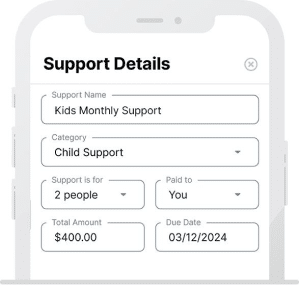
This is where tools like SupportPay can help. Instead of juggling multiple systems, SupportPay provides a structured way to track payments, manage financial responsibilities, and create transparency across shared expenses.
Over time, staying consistent with payments and improving financial organization can help rebuild your credit and reduce financial stress.