

Wage garnishment isn’t just a personal financial issue—it’s increasingly becoming a workplace challenge that impacts employee productivity, stress levels, and overall well-being.
Wage garnishment in the workplace creates real challenges for both employees and employers trying to manage financial stress.
When employees are dealing with wage garnishment, they’re often facing significant financial pressure. This stress doesn’t stay at home—it follows them into the workplace, affecting focus, engagement, and even retention.
The Hidden Cost to Employers
Employees experiencing financial distress are more likely to:
• Miss work
• Be distracted
• Experience burnout
• Struggle with productivity
Wage garnishment also creates administrative burdens for employers who must process and manage these deductions.
Why Financial Visibility Matters
One of the core challenges behind wage garnishment is a lack of financial organization and visibility.
Without a clear system to track shared expenses, obligations, and payments, employees can quickly fall behind—leading to escalations like collections or garnishment.
A Proactive Employer Solution
Forward-thinking employers are starting to recognize that financial wellness tools are no longer optional—they’re essential.
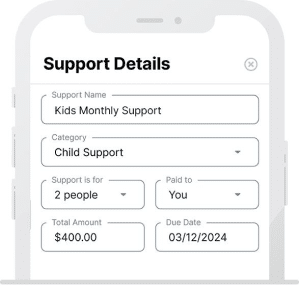
Solutions like SupportPay give employees a structured way to manage shared expenses, track obligations, and stay on top of payments before issues escalate.
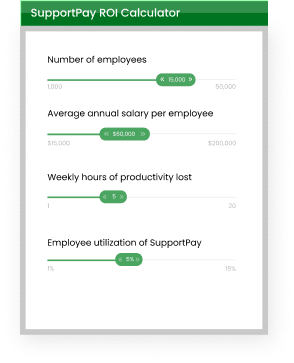
By providing tools that improve financial organization and transparency, employers can help reduce stress and improve workforce stability.
The Bigger Opportunity
Offering financial wellness solutions that address real-world challenges like wage garnishment positions employers as proactive, supportive, and invested in their employees’ success.
Additional Perspective
One of the biggest challenges organizations face is that financial stress is often invisible until it begins affecting performance and engagement. Wage garnishment is a clear signal that employees may be struggling to manage financial obligations effectively.
By improving visibility, communication, and consistency around payments, employers can help employees feel more in control of their financial situation. Over time, this leads to reduced stress, improved focus, and stronger overall workplace outcomes.