


Emergency medical costs for parents can place immediate and overwhelming pressure on an entire family. One sibling may receive the hospital call first, another may step in to pay the urgent bill, and someone else may only find out later—often when reimbursement is already expected.
In these situations, the issue is not just the cost itself. The real challenge lies in figuring out who is responsible, how much each sibling should contribute, and how to manage everything across different households, financial situations, and bank accounts.
When a parent needs emergency care, decisions must be made quickly. Ambulance fees, emergency room bills, hospital deposits, specialist charges, prescriptions, tests, and follow-up care can add up within hours. There is rarely time to pause, discuss, or plan.
Without a system in place, one sibling typically pays first—simply because they are physically present or able to act quickly—while hoping others will contribute later. This often leads to confusion, delayed reimbursements, mismatched expectations, and, over time, frustration or resentment.
What makes these situations especially difficult is that every family operates differently:
- Siblings may have very different incomes
- Some may already be contributing time or caregiving support
- Others may not be fully aware of the situation in real time
- Financial communication may already be strained or inconsistent
As a result, what should be a shared responsibility can quickly feel like an unequal burden.
This step-by-step guide explains how siblings can approach emergency medical costs in a way that is more structured, transparent, and fair—while reducing the likelihood of conflict.
Step 1: Understand the Full Emergency Medical Cost
The first step is to understand the total financial impact, not just the initial bill.
Emergency expenses often extend beyond the immediate hospital visit and can include medications, follow-up appointments, lab tests, equipment, transportation, and short-term care after discharge.
A common problem is that families focus only on the first expense. This creates an incomplete picture and makes it harder to set clear expectations for everyone involved.
Gather all available bills and estimate what additional costs may arise. Without this full view, conversations about contributions tend to become vague, inconsistent, and emotionally charged.
Step 2: Separate Emergency Costs from Ongoing Care
Emergency costs should be clearly separated from regular caregiving expenses.
Ongoing costs—such as groceries, utilities, and routine medications—are usually predictable. Emergency costs, however, are sudden, larger, and often unavoidable.
When these expenses are not clearly distinguished, it becomes difficult for siblings to understand what they are being asked to contribute toward. This lack of clarity can create tension, especially if one person feels they are covering both routine and unexpected costs without acknowledgment.
Step 3: Decide Who Pays First
In emergencies, the person closest to the situation often pays first. While this is practical, it can create long-term issues if there is no clear agreement about reimbursement.
The sibling who pays upfront may:
- Carry the financial burden longer than expected
- Struggle to track what is owed
- Feel uncomfortable repeatedly asking for repayment
At the same time, other siblings may not fully understand the urgency or the amount that has already been paid.
Without a clear process, this dynamic often leads to delays, misunderstandings, and frustration on both sides.
Step 4: Choose a Fair Contribution Method
Once the full cost is known, the next challenge is determining how to divide it.
An equal split may seem simplest, but it is not always fair. Siblings often have:
- Different financial capacities
- Different levels of involvement in caregiving
- Different personal obligations
Deciding what is “fair” can be one of the most emotionally difficult parts of the process. Without open, structured conversations, assumptions can quickly replace clarity—and disagreements can follow.
Step 5: Track Every Payment and Reimbursement
Tracking expenses is where most families struggle the most.
Without a shared system:
- Payments are forgotten or misremembered
- Reimbursements are delayed or disputed
- Receipts are lost or scattered
- One person ends up managing everything manually
This creates unnecessary stress during an already difficult time. It also increases the likelihood of conflict, as siblings may have different perceptions of who paid what.
Step 6: Plan for Future Emergencies
Even though emergencies are unpredictable, a lack of financial preparation makes them significantly harder.
Without a plan:
- Families scramble to gather funds under pressure
- Decisions are made quickly without discussion
- The same confusion repeats itself each time
A shared approach to planning can reduce this stress, but many families struggle to maintain consistency across multiple people and accounts.
Step 7: Address Disagreements Early
Disagreements are common when expectations are unclear.
One sibling may feel they are contributing more financially, while another may feel their time and effort are not being recognized. Without clear communication and shared visibility, these concerns often build over time rather than being addressed early.
Step 8: Keep Everything Visible and Updated
Even when families agree initially, things can shift.
Medical needs change. Costs increase. Financial situations evolve. Without regular visibility and updates, what once felt fair can quickly become outdated.
The difficulty is not just creating a plan—it is keeping everyone aligned over time.
Conclusion
Handling emergency medical costs for parents is not just a financial challenge—it is a coordination challenge across multiple people, responsibilities, and financial situations.
The lack of a centralized system often leads to:
- Confusion about total costs
- Unclear expectations around contributions
- Delayed or missed reimbursements
- Unequal financial burden
- Ongoing stress and strained relationships
SupportPay was built specifically to solve these problems.
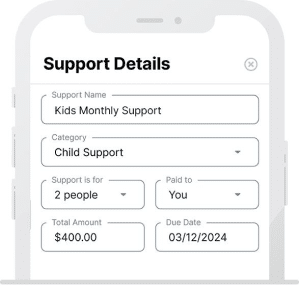
It provides families with a single, shared platform to:
- Track all expenses in one place
- Automatically calculate and split contributions
- Store receipts and payment records
- Manage reimbursements transparently
- Keep everyone aligned in real time
Instead of relying on memory, spreadsheets, or repeated conversations, families can use a system designed to remove friction, reduce conflict, and ensure fairness.
With the right structure in place, even the most stressful situations can be handled with clarity and confidence—allowing families to focus on what matters most.