

Employee financial stress is no longer a private problem that stays outside the workplace. It affects how employees sleep, focus, make decisions, manage relationships, seek healthcare, and show up at work. For HR and benefits leaders, that makes financial stress a wellness issue, not just a compensation or education issue.
That distinction matters because many employers may already have access to insurance carrier wellness funds that employers are reimbursed for. These funds are often intended to support programs that reduce stress, improve wellbeing, and help employees manage risks that can contribute to higher healthcare utilization. When HR frames financial wellbeing through that lens, the funding conversation becomes much stronger.
The opportunity is not simply to add another benefit. The opportunity is to identify a real source of employee strain, connect it to whole-person health, and use available carrier funding to provide practical support.
Why employee financial stress belongs in the wellness conversation
Financial stress can create anxiety, sleep disruption, distraction, absenteeism, and conflict. It can also influence whether employees delay care, skip medication, ignore medical bills, or avoid preventive services because they are worried about cost. These behaviors can affect both employee wellbeing and employer healthcare costs.
For HR teams, the signs may appear indirectly. Employees may ask payroll questions more often, request hardship support, miss work to manage family obligations, struggle during divorce or caregiving transitions, or show lower engagement because financial pressure is consuming their attention.
When financial stress is treated as a wellness concern, HR can move beyond generic financial education and toward targeted programs that address the moments creating the most pressure.
What carriers may recognize
Insurance carriers increasingly understand that whole-person health includes mental, emotional, social, and financial wellbeing. A program that reduces financial stress may support carrier goals when it helps employees stabilize their lives, reduce anxiety, make better healthcare decisions, and avoid crisis-driven utilization.
This is where insurance carrier wellness funds that employers are reimbursed for can become relevant. HR should not position the request as a perk or a nice-to-have. The stronger approach is to explain how the program addresses stress reduction, behavioral health risk, employee stability, and improved access to care.
Financial stressors HR should identify
- Divorce, separation, and shared household expenses
- Caregiving costs for aging parents or family members
- Medical bills, deductibles, and confusion about benefits costs
- Debt pressure, credit issues, and high-interest obligations
- Lack of emergency savings
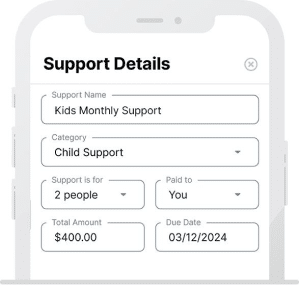
- Child-related expenses, childcare, school costs, and co-parenting obligations
- Housing instability or major household transitions
These are not abstract financial literacy topics. They are real-life stressors that can affect health, work performance, family stability, and retention.
How HR can build the reimbursement case
Start with the employee problem. Describe the specific financial stressors affecting the workforce and explain how they show up in absenteeism, distraction, manager escalations, healthcare concerns, or retention risk. Use available data when possible, including engagement surveys, EAP trends, benefits questions, turnover patterns, or employee feedback.
Next, connect the proposed program to wellness outcomes. The strongest case explains how the program helps employees reduce stress, organize obligations, make informed decisions, and regain stability. HR should also outline how participation, engagement, employee feedback, and reimbursement documentation will be tracked.
Finally, ask the broker or carrier for written confirmation that the program qualifies for insurance carrier wellness funds that employers are reimbursed for. Written confirmation should include the approved amount, eligible expenses, invoice requirements, deadlines, and reimbursement timing.
Questions HR should ask before launch
- Do our current carrier contracts include wellness funds, health improvement dollars, reimbursement pools, or innovation funds?
- Have we ever submitted invoices for wellness program reimbursement?
- Would a financial wellbeing program focused on employee financial stress qualify?
- What documentation does the carrier need before approving the program?
- What invoices, participation data, or reporting will be required after launch?
- Can unused funds be applied to a pilot or negotiated during renewal?
The takeaway
Employee financial stress is one of the clearest connections between personal life, workplace performance, and whole-person health. Employers do not always need to solve it with net-new budget. By identifying the stressors employees face, connecting them to wellness outcomes, and asking the right carrier questions, HR teams may be able to use existing wellness reimbursement structures to fund practical financial wellbeing support.