


When most people hear “wellness program,” they think of physical health activities. But some of the most stressful moments in an employee’s life are financial life events: divorce, separation, caregiving, debt, emergency expenses, medical bills, housing changes, or managing obligations across households.
These are exactly the moments when insurance carrier wellness funds that employers are reimbursed for can become powerful. The employer is not just adding another perk. The employer is helping employees address stressors that can affect health, productivity, retention, and day-to-day focus.
Scenario-based thinking is useful because it makes the reimbursement case more concrete. Instead of telling a carrier that employees need “financial wellness,” the employer can explain the specific life events employees face, how those events create stress, and how the proposed program helps reduce that stress in practical ways.
Scenario 1: The employee going through divorce
An employee navigating divorce may be dealing with legal bills, shared accounts, child-related expenses, housing changes, insurance changes, tax questions, and new budgeting realities. The stress can be overwhelming because the employee is not only managing emotional strain. They are also rebuilding a financial life while continuing to perform at work.
At work, the impact may show up as missed deadlines, increased absences, reduced focus, more conflict, or more frequent healthcare visits for anxiety, sleep problems, headaches, or stress-related symptoms. Managers may notice performance changes but have no practical way to help.
A financial transition support program can help the employee organize expenses, understand obligations, manage shared payments, document contributions, and reduce conflict around money. When positioned as a stress reduction and wellbeing initiative, this type of support may align with insurance carrier wellness funds that employers are reimbursed for.
For the employer, the value is not simply compassion, though that matters. The value is also reduced disruption. Employees who have structure and support during a major transition are better able to remain focused, manage obligations, and stay engaged.
Scenario 2: The employee caring for aging parents
Caregiving often creates sudden financial complexity. An employee may need to coordinate care costs, manage siblings’ contributions, understand insurance coverage, pay bills for a parent, evaluate long-term care options, or plan for future housing and medical expenses. The employee may also be balancing those responsibilities with their own household finances.
Without support, caregiving stress can lead to burnout, absenteeism, resentment among family members, delayed work, and behavioral health needs. Employees may use work time to call providers, coordinate payments, research care facilities, or resolve family disputes about money.
A financial wellbeing program that helps employees organize caregiving expenses and plan for family obligations can reduce stress and improve stability. This creates a strong connection to whole-person health and carrier reimbursement logic. It also helps employers support experienced employees who might otherwise reduce hours, decline advancement, or leave the workforce.
Scenario 3: The employee overwhelmed by debt
Debt is one of the most common and persistent sources of employee financial stress. Credit card balances, medical bills, student loans, personal loans, and high-interest obligations can consume an employee’s attention and create a sense of constant pressure. The employee may feel embarrassed, stuck, or unsure where to begin.
At work, chronic debt stress can appear as distraction, irritability, lower productivity, and a higher likelihood of leaving for a small pay increase. It can also affect health. Employees under debt pressure may experience insomnia, anxiety, depression, headaches, or delayed care because they are afraid of additional bills.
Employers can support these employees with financial coaching, budgeting tools, debt management education, credit-building resources, and step-by-step planning. The goal is not simply to teach financial literacy. The goal is to reduce a chronic stressor that affects health and work performance. That distinction matters when seeking reimbursement from insurance carrier wellness funds that employers are reimbursed for.
Scenario 4: The employee without emergency savings
An unexpected car repair, medical bill, childcare issue, home repair, or housing expense can destabilize an employee who has little or no emergency savings. The immediate result may be missed work, payday loans, delayed care, overdraft fees, or additional debt. Over time, the stress compounds.
Emergency savings support can help employees build a cushion before a crisis occurs. Even small savings can reduce stress and improve resilience. A program that helps employees set goals, automate savings, understand tradeoffs, and avoid predatory debt can have a meaningful impact on daily wellbeing.
Carriers focused on preventive wellbeing may view emergency savings programs as a practical way to address financial instability before it creates larger health and productivity problems. Employers should emphasize that emergency savings is not only a financial education topic. It is a prevention strategy that helps employees avoid crisis-driven stress.
Scenario 5: The employee managing shared expenses across two households
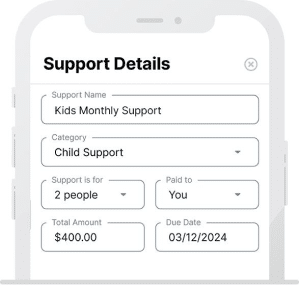
Separated or divorced parents often manage recurring shared expenses for children: medical co-pays, school supplies, activities, clothing, childcare, transportation, tutoring, sports fees, and other costs. If the process is disorganized or conflict-heavy, the stress becomes constant. Employees may be distracted by texts, payment disputes, and uncertainty about who owes what.
This type of financial stress is especially important because it is recurring. It is not one event that passes. It can happen every week or every month, often for years. The employee may spend emotional energy anticipating conflict, saving receipts, arguing about reimbursements, or paying more than their share just to avoid another dispute.
Tools that help parents track shared expenses, document payments, and reduce conflict can directly reduce daily financial stress. For employers, this is a targeted way to support a common workforce challenge that affects productivity and mental wellbeing.
Scenario 6: The employee confused by medical bills and benefits costs
Medical bills can create financial stress even for employees who have insurance. An employee may not understand deductibles, co-insurance, out-of-network charges, prescription costs, payment plans, or how to compare care options. Confusion can lead to delayed care, unpaid bills, collections, or stress that carries into the workday.
A financial wellbeing program that helps employees understand healthcare costs, organize bills, and plan for medical expenses can support better decision-making. It can also help employees use the benefits they already have more effectively. This makes the program easier to connect to carrier priorities around access to care, preventive care, and avoidable utilization.
Why scenarios matter for the carrier conversation
Carrier reimbursement requests are stronger when they are specific. Instead of saying, “We want to offer a financial wellness benefit,” employers should explain which employee stressors the program addresses and why those stressors matter to health outcomes.
The employer can identify the affected population, describe the financial life events being addressed, connect those events to stress-related health and productivity risks, and explain how the program will track engagement. This makes the request more concrete and more likely to fit the purpose of insurance carrier wellness funds that employers are reimbursed for.
Specific scenarios also help internal leaders understand the human impact. Finance teams may not respond to abstract wellness language, but they can understand the cost of absenteeism, turnover, and claims. Managers may not know how to discuss financial stress, but they can understand how a practical support program gives employees somewhere to turn.
The takeaway
The most valuable wellness programs meet employees in the real moments that create stress. Divorce, caregiving, debt, emergency expenses, medical bills, and shared family obligations are not side issues. They are major wellbeing issues. Employers that use carrier-funded wellness dollars to address these moments can create meaningful support while making better use of funds that may already be available.