


Can You Be Reimbursed for Paying a Parent’s Expenses?
When siblings come together to care for an elderly parent, financial responsibility often falls unevenly on one person. Whether it’s paying medical bills, covering home modifications, or assisting with daily living costs, caregiving expenses can quickly add up. If one sibling is paying more than others, they may naturally wonder: Can I be reimbursed for paying a parent’s expenses?
The answer is yes, and it is crucial to set up a fair and transparent reimbursement system. Without a proper system, it’s easy for misunderstandings to occur, leading to resentment and frustration between siblings.
This article will help you understand how to fairly reimburse siblings for caregiving expenses and ensure equitable contributions from everyone involved.
Step 1: Assessing the Full Scope of Parent’s Expenses
Before discussing reimbursement, it is vital to understand the full scope of caregiving expenses. Caregiving costs often extend beyond the obvious medical bills and can include various additional expenses. Here’s a breakdown of common caregiving expenses:
- Medical Expenses: These include doctor visits, hospital stays, prescription medications, and other ongoing medical treatments.
- In-Home Care Services: Hiring nurses, personal care aides, and assistance with household tasks like cooking, cleaning, and personal hygiene.
- Household Modifications: Safety features, such as grab bars, ramps, or stair lifts, to accommodate the aging parent’s needs.
- Legal & Administrative Fees: Power of attorney, estate planning, and consultations with attorneys specializing in elder care.
- Daily Living Expenses: Costs for groceries, utilities, transportation, and daily essentials for the parent.
Carefully documenting all expenses will provide clarity when it’s time to determine what has been paid and who needs to be reimbursed. Receipts, invoices, and bank statements should be kept as a record of each payment. This will ensure that everyone has a clear understanding of the financial picture and the amount each sibling owes.
Step 2: Organize and Track Expenses for Reimbursement
Once you’ve assessed the expenses, it’s time to organize them in a way that’s easy for all siblings to access and understand. Organizing caregiving expenses ensures that everyone is on the same page when it comes to reimbursement.
Here’s how to do it effectively:
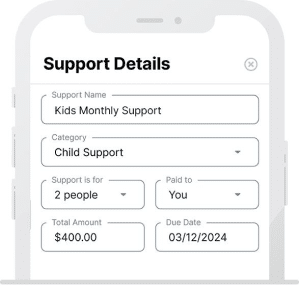
- Use a Shared Financial Platform: Tools like SupportPay allow families to track shared expenses and manage caregiving costs in real time. This platform is specifically designed to track and manage shared caregiving expenses across multiple households, ensuring complete transparency.
- Update Regularly: As bills are paid, make sure to update the shared financial platform immediately. This will ensure that everyone is aware of the contributions made and that nothing is overlooked. Transparency is key to ensuring fairness.
- Communication: Once the expenses are documented and tracked, the next step is open communication. Siblings should discuss how to handle reimbursements, whether it will be done monthly, quarterly, or as specific expenses are paid. Setting a schedule for reimbursements helps streamline the process and avoid confusion.
It’s also important to make sure every sibling has access to the system, especially if siblings live in different locations. This way, there’s no uncertainty about who has paid what and what remains outstanding.
Step 3: Discussing the Fairness of Reimbursement Among Siblings
Fairness is the foundation of any successful reimbursement plan. To avoid resentment, it’s important that all siblings contribute fairly based on their ability. One sibling might be paying more upfront, but it’s essential to ensure that everyone is contributing in a way that reflects their financial capacity and caregiving involvement.
Here are a few ways to ensure fairness:
- Proportional Contributions: If one sibling is in a better financial position, they might contribute a larger share. This proportional reimbursement considers each sibling’s financial ability rather than demanding equal amounts from everyone.
- Non-Financial Contributions: One sibling may be contributing more in terms of hands-on care, such as taking their parent to doctor appointments, assisting with daily activities, or managing medical treatments. While they might not be able to contribute as much financially, their time should be recognized as an important contribution toward caregiving. It’s important to factor non-financial contributions into the reimbursement plan.
- Open Discussion: Siblings should have an honest conversation about what is fair and what they feel comfortable contributing. Having an open dialogue helps to prevent resentment and ensures that no sibling feels overwhelmed or underappreciated.
Step 4: Agreeing on How and When Reimbursement Should Happen
Once the expenses have been assessed and fairness has been discussed, the next step is to decide how the reimbursement process will unfold. It’s important to agree on:
- How Much to Reimburse: The amount each sibling is responsible for should be based on the fairness model (equal, proportional, or time-based contributions).
- When to Reimburse: Set up a timeline for reimbursements. Will reimbursements happen monthly, quarterly, or when specific expenses are paid? Setting a consistent schedule helps avoid delays and confusion.
- Who Pays First: Decide if the sibling who paid for an expense first should be reimbursed first, or if the reimbursements will be spread equally. Having a clear process in place ensures everything runs smoothly.
A well-defined reimbursement schedule makes sure that no sibling feels burdened or feel they are carrying the financial load on their own.
Step 5: Handling Disagreements and Setting Expectations
Even with a clear plan in place, disagreements can still arise. Some siblings might feel that their contributions are undervalued or that the reimbursement process isn’t as fair as it could be. It’s essential to handle these disagreements quickly before they create tension or lead to broken relationships. Here’s how to manage conflicts when they arise:
Addressing Disagreements Early On
The key to resolving disputes is to address them early. If one sibling feels they’re doing more than their share, have an open discussion to resolve the issue right away. Siblings should feel comfortable expressing their concerns and be willing to listen to one another. Regular, open communication is vital to avoid misunderstandings.
Use a Neutral Third Party
Sometimes, emotions can make these conversations challenging. If things get too heated, consider bringing in a neutral third party like a family mediator or financial advisor. A third party can help facilitate discussions, ensuring that all voices are heard and that any financial agreements are based on fairness. This step helps to maintain peace within the family while finding a reasonable solution.
Step 6: Keeping the Financial System Transparent
Transparency is critical when managing shared caregiving expenses across multiple households. To avoid conflicts over money, every sibling should have visibility into the expenses and reimbursement process. Here’s how to make the system as transparent as possible:
Shared Access to Financial Records
Make sure that all siblings have access to the financial records. If a shared bank account is used, everyone should be able to see transactions and balances. If a spreadsheet or tool like SupportPay is used, it should be regularly updated, and everyone should have access to it.
By keeping everything visible, there is no room for confusion, and everyone can be accountable for their contributions. This level of transparency ensures that no one feels taken advantage of.
Step 7: Revisiting the Reimbursement Plan Regularly
A reimbursement plan should not be set in stone. As your parent’s needs evolve, so will the costs and the responsibilities. Here’s how to keep the financial arrangements fair over time:
Schedule Regular Family Check-ins
Setting up monthly or quarterly check-ins will allow siblings to review the caregiving expenses and make adjustments as necessary. Regular discussions help keep everyone on the same page and prevent small issues from becoming big problems. Review the contributions made by each sibling and make sure everyone is still comfortable with the system in place.
Adjust the Plan Based on Changing Circumstances
If one sibling’s financial situation changes, whether due to job loss, increased earnings, or a new family situation, the reimbursement plan should be adjusted accordingly. Similarly, if your parent’s care needs increase (e.g., moving to assisted living), the plan should account for these changes. Make adjustments as needed, and ensure all siblings are informed and agree to the new terms.
Step 8: Plan for Unforeseen Expenses
Caregiving often comes with unexpected costs. Whether it’s a medical emergency, a sudden change in care requirements, or an unplanned expense, being prepared for unforeseen expenses is critical.
Create an Emergency Fund
One way to prepare is by setting aside a small emergency fund within the caregiving budget. This fund can cover unexpected medical costs or other emergencies that may arise without notice. Siblings should discuss how much to set aside each month, so everyone is on board with the plan.
Frequently Asked Questions
1. How do I know what caregiving expenses can be reimbursed?
To ensure you’re reimbursed fairly, first document all caregiving expenses such as medical bills, home modifications, and in-home care services. Keep receipts, bank statements, and invoices for all expenses related to your parent’s care. Clear documentation is essential for tracking and reimbursing expenses accurately.
2. What is the best way to track shared caregiving expenses?
The best way to track caregiving expenses is by using a shared financial system. This could be a shared bank account, a spreadsheet, or a caregiving financial platform like SupportPay. Keeping records updated regularly ensures that all siblings can see who paid what and prevents any misunderstandings.
3. How do we ensure fairness when siblings have different financial situations?
It’s important to discuss financial fairness openly. One approach is proportional contribution, where each sibling contributes based on their income. This ensures that everyone is contributing fairly relative to their financial ability. You can also consider non-financial contributions like time spent caregiving and balance it with financial support.
4. How should we handle disagreements over reimbursement?
If disagreements arise over reimbursement, it’s crucial to address them early. Siblings should have open and honest conversations about what feels fair. If necessary, involve a neutral third party like a family mediator to help facilitate the conversation and ensure everyone’s concerns are heard.
5. Can a third party help us manage caregiving finances?
Yes, involving a third party such as a financial advisor, family mediator, or a professional caregiving service can help manage the finances. This ensures that everyone stays on the same page and can help resolve disputes about financial fairness in caregiving situations.
6. How often should we review the reimbursement plan?
It’s essential to review the reimbursement plan regularly, at least every three to six months. This ensures that the system remains fair and that any changes in caregiving needs or financial situations are addressed. Regular reviews also prevent small issues from escalating into bigger conflicts.
Conclusion: A Fair and Clear Reimbursement System for Siblings
Managing caregiving expenses between siblings can be challenging, but it doesn’t have to cause stress or strain on family relationships. By setting up a clear reimbursement system, discussing fair contributions, and keeping everything transparent, families can work together effectively to care for their elderly parents.
Establishing a system where every sibling can easily track and manage shared caregiving expenses will ensure that no one is overwhelmed and that the parent’s care needs are met in a way that respects everyone’s financial and emotional contribution.