


Here’s something most HR and benefits leaders don’t know: your company likely has access to insurance carrier wellness funds that employers are reimbursed for — and you’re probably not using them.
These aren’t theoretical. They’re real dollars built into existing insurance contracts, specifically earmarked to help employers fund programs that improve employee health and financial wellbeing. Most carriers allocate between $1 and $5 per employee per month for qualified wellness initiatives. For a company with 500 employees, that can add up to meaningful annual funding that is already budgeted and ready to be claimed.
Yet many employers never use this money.
What are carrier-funded wellness dollars?
Insurance carriers have a financial incentive to keep employees healthier and less stressed. Healthier employees often mean fewer claims, lower utilization, and better outcomes for both the employer and the carrier.
To support this, carriers often include reimbursement opportunities in their contracts. These are insurance carrier wellness funds that employers are reimbursed for when they implement approved programs. The terminology varies by carrier, but the concept is consistent.
- Wellness incentive funds
- Health improvement dollars
- Carrier wellness credits
- Premium rebate wellness pools
- Value-added wellness programs
Regardless of the label, these are dollars intended to reimburse employers for programs that reduce claims and improve employee outcomes.
Why most companies miss the opportunity
They do not know the funds exist. In many cases, wellness reimbursement options are buried in contract details or only surfaced when someone asks the right question.
They assume wellness only means fitness. Traditional wellness programs such as screenings and gym reimbursements are common, but carriers increasingly recognize financial wellbeing as part of whole-person health.
They expect the process to be complicated. In practice, the process is often straightforward: identify available funds, confirm the program qualifies, and submit invoices for reimbursement.
The financial stress connection
Financial stress is one of the strongest drivers of employee stress overall. It shows up at work in the form of absenteeism, presenteeism, turnover, and increased healthcare utilization. Carriers understand this connection, which is why financial wellbeing programs increasingly qualify for insurance carrier wellness funds that employers are reimbursed for.
Programs that help employees stabilize finances, manage life transitions, and reduce stress can play a meaningful role in improving employee wellbeing and reducing downstream costs.
What may qualify for reimbursement
- Financial coaching and education
- Emergency savings support
- Debt and budgeting tools
- Family financial transition support
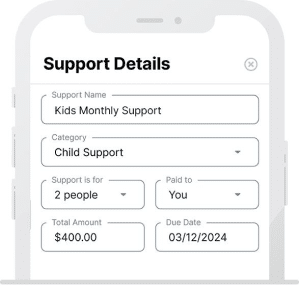
- Shared expense management tools for separated families
- Credit-building resources
- Financial literacy workshops
The strongest candidates are programs that address issues linked to health outcomes and stress reduction.
The takeaway
Employers should not assume they need new budget approval to offer meaningful financial wellbeing support. In many cases, the funding already exists. The most important next step is to ask a broker or carrier representative whether there are insurance carrier wellness funds that employers are reimbursed for available under the current plan.