

Many people assume that paying bills on time should automatically help improve their credit score. The reality is that most everyday payments, even when they are made consistently, do not count toward your credit.
Understanding how to get credit for paying bills you already owe can help you take advantage of financial activity you are already managing.
When these payments are tracked and organized properly, they can become an important part of improving your financial future.
Why Most Bills Do Not Impact Your Credit
Traditional credit reporting focuses on specific types of financial activity such as credit cards, loans, and formal lending agreements.
This means that many regular payments do not get reported at all.
Common examples include:
• Rent paid directly to a landlord
• Shared household expenses
• Payments to family members
• Reimbursements for bills or caregiving costs
Even when these payments are made on time every month, they are often invisible in your credit profile.
The Gap Between Real Financial Behavior and Credit Reporting
This creates a gap between how financially responsible someone is and how that responsibility is reflected.
Many people are managing multiple recurring obligations, staying consistent, and making payments reliably. However, without proper tracking, those efforts are not recognized.
This can make it harder to build or improve a credit score despite doing the right things.
Why Consistency Still Matters
Even if those payments are not currently reported, they still represent the type of financial behavior that credit systems value.
Consistency over time shows reliability.
The challenge is making that consistency visible in a way that can be documented and used to demonstrate financial responsibility.
How to Make Your Payments Count
The key is not changing what you pay, but how those payments are tracked.
When bills and shared expenses are organized, recorded, and managed consistently, they create a clearer financial picture.
Instead of relying on scattered apps or memory, having a structured system ensures that nothing is lost or overlooked.
How SupportPay Helps Turn Payments Into Credit Activity
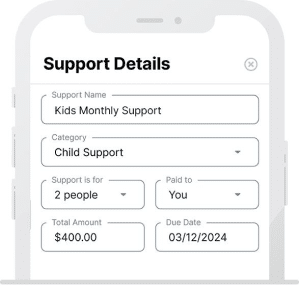
SupportPay helps create visibility around payments that would otherwise go unrecognized.
With SupportPay, you can:
• Track shared bills and recurring payments in one place
• Maintain a consistent record of financial activity
• Create visibility across multiple people and responsibilities
• Turn documented payments into credit building activity
This allows you to use the payments you already make to support your credit over time.
A Simpler Way to Improve Your Credit
You do not need to take on new debt or change your financial habits to improve your credit.
By focusing on organization and consistency, you can start using existing payments more effectively.
This approach makes credit building more accessible and less complicated.
Building a Stronger Financial Picture
Your credit profile should reflect the full picture of how you manage money.
By organizing and tracking your payments, you create a more accurate representation of your financial behavior.
Over time, this can lead to better outcomes and greater financial confidence.